
How Facility Managers Can Prevent HVAC Downtime Across Multi-Site Portfolios

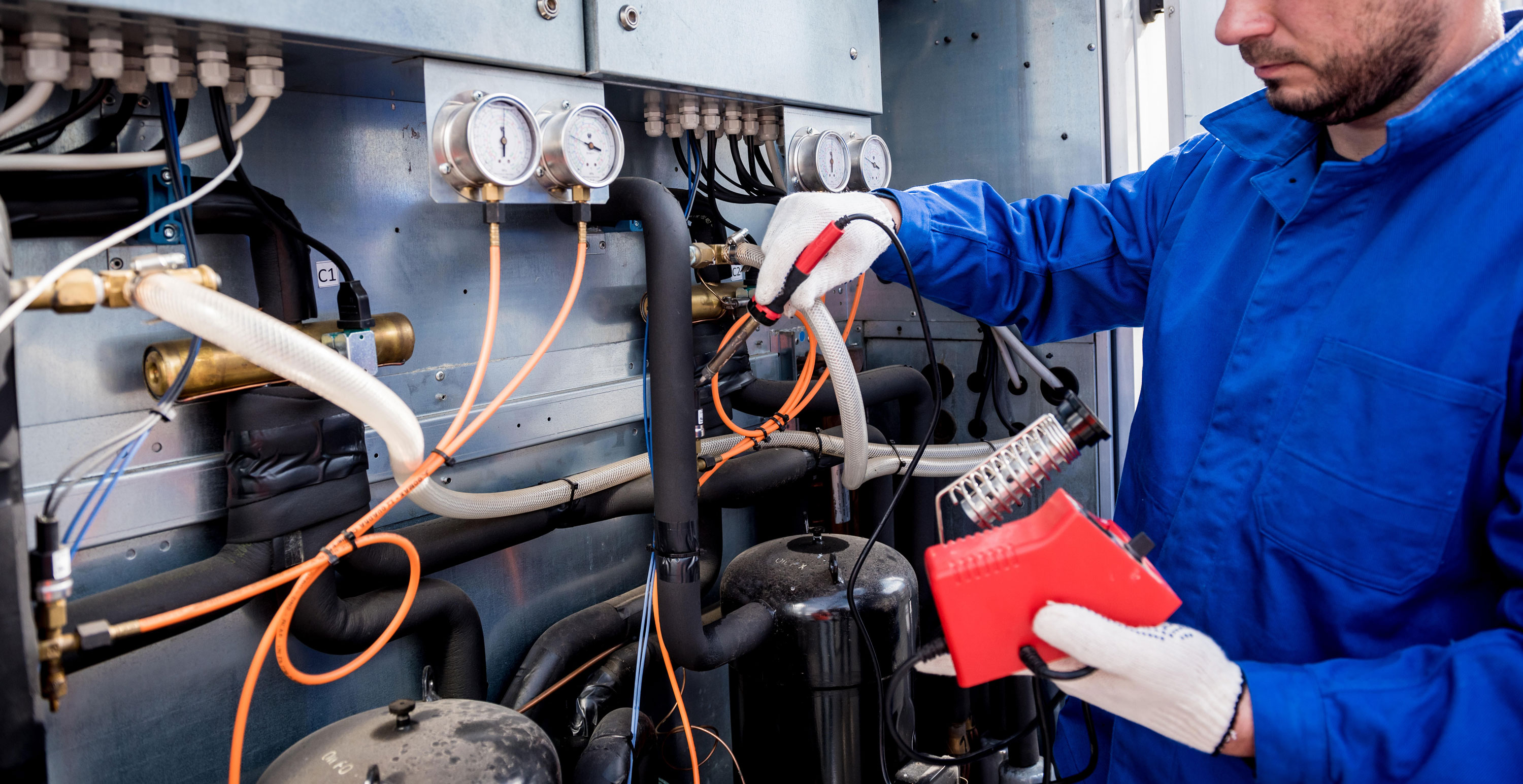
If you oversee a multi-site retail portfolio with dozens or hundreds of locations, you already know how disruptive a single HVAC failure can be. A downed system affects comfort, sales, staffing, compliance, and customer experience. It also creates a wave of urgent work orders, unexpected repair costs, and strain on your already limited bandwidth as a facility manager.
The hard truth is that most HVAC issues do not appear out of nowhere. Your equipment is communicating long before it fails, but without a streamlined process or the right data from an energy management system, those warning signs are easy to miss.
Many facility managers describe the problem the same way, and one quote from the guide captures it perfectly:
“By the time an HVAC issue hits our desk, it is often already too late. Staff are unhappy, product is at risk, and sometimes it even becomes a health and safety concern.” - Facilities Coordinator, Specialty Retail, 220 sites
This is the reality for many multi-site retail teams. The challenge is not just the repair itself. It is the operational impact that spreads across your entire portfolio.
Why HVAC Downtime Is a Major Risk for Multi-Site Retail
For facility managers, HVAC downtime is never a simple inconvenience. When a rooftop unit fails at the wrong time, the fallout is immediate. Frontline staff escalate the issue. Customers complain. Temperatures drift out of acceptable ranges. Compliance concerns rise. You are forced to authorize expensive emergency repairs that eat into budgets intended for planned projects.
A routine maintenance visit might cost a few hundred dollars. An emergency call after hours or on a weekend can soar past the thousand dollar mark once travel, overtime, parts availability, and return visits are factored in. For multi-site retail operators, these surprises quickly multiply across every region.
Without a clear view into asset performance or standardized early-warning processes, HVAC becomes one of the most unpredictable expenses on your balance sheet.
What are the Five Most Common Commercial HVAC Failures?
In the HVAC Downtime Prevention Guide, we outline the five most common issues that lead to HVAC emergencies in multi-site retail locations. These problems occur across almost every regional climate and equipment age range.
- Compressor failures
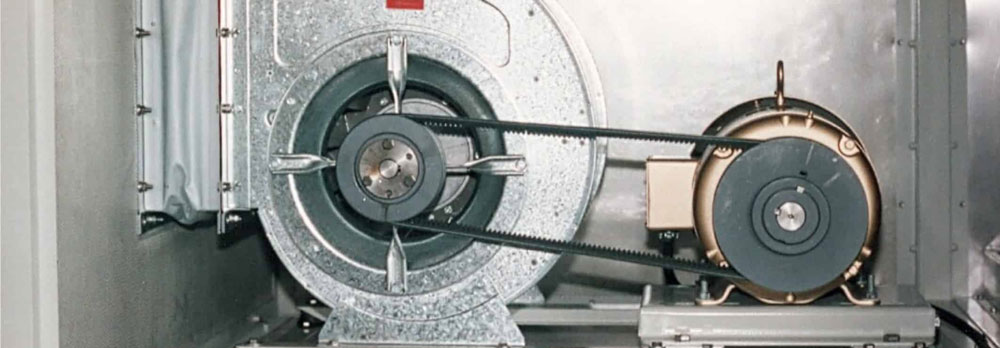
- Fan and blower motor breakdowns
- Electrical and control system failures
- Dirty or corroded coils
- Economizer and damper malfunctions
Although these issues appear technical, the early stages are often visible long before the unit stops working. The guide breaks them down into plain-language indicators that anyone on your facility management team or on-site staff can recognize.
Frontline Staff Can Spot Problems Before Equipment Fails
You do not need a technician on every site to gain earlier visibility. Facility managers who operate multi-site retail locations often rely on store managers, shift leads, or general staff to identify comfort issues or unusual equipment behavior.
Our HVAC Downtime Prevention Guide translates the five major failure types into simple, non-technical cues that FMs or on-site employees can recognize instantly. These include appearance changes, airflow patterns, sound shifts, temperature inconsistencies, and other easily observed indicators that do not require HVAC training.
The guide also includes a printable HVAC health checklist that can be printed and posted across the entire portfolio to help enable site-staff triage pre-failure symptoms. This gives every facility the same consistent method for reporting potential issues before they escalate into system failures.

Why an Energy Management System Gives Facility Managers the Advantage
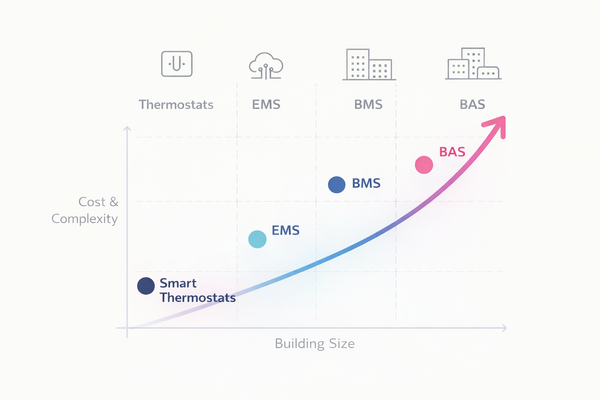
Spotting issues early is essential, but early visibility becomes even more powerful when combined with data from a modern EMS (energy management system). Many facility managers in multi-site retail environments are moving to lightweight platforms that create clearer insight into equipment performance without the cost or complexity of a traditional building automation system.
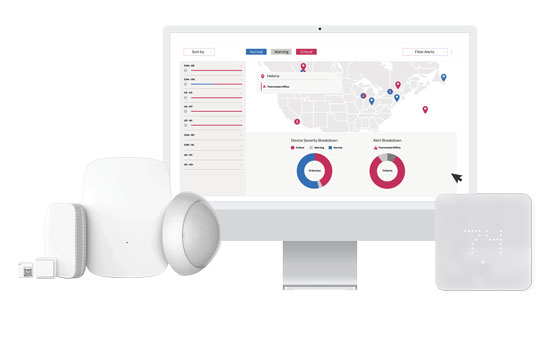
An energy management system like Mysa HQ helps facility managers:
- See HVAC performance across every location
- Identify outlier sites with rising runtimes or temperature drift
- Receive alerts for abnormal behavior
- Remotely adjust setpoints and schedules
- Track trends that predict future failures
This combination of on-site awareness and data-driven oversight allows facility managers to transition from reactive service calls to proactive asset management across all regions.
Download the Full HVAC Downtime Prevention Guide
If you want to reduce HVAC downtime across your multi-site retail portfolio, the full HVAC Downtime Prevention Guide provides:
- The five most common HVAC failures
- Clear, non-technical warning signs that anyone can identify
- Repair cost ranges and operational impact
- Portfolio-wide prevention strategies for facility managers
- A standardized checklist for all store locations
Use it to train staff, improve reporting accuracy, and build a more proactive facilities strategy supported by your energy management system.
Download the full HVAC Downtime Prevention Guide now and start preventing HVAC emergencies before they disrupt your stores.

Ready to learn more?
See Mysa HQ in action, get a personalized ROI analysis, and start building the case for a smarter energy management system in your facilities.
